

Albania should follow the examples of European countries that invest in protective systems, urban planning, and preventive policies in order to minimize damage in the event of natural disasters. Mr. Klaidi Çitozi, CEO of Sigma Vienna Insurance Group, says that insurance is a financial protection tool, but it cannot function in isolation from infrastructure and public policies. According to him, a national insurance scheme would make it possible for properties that are currently considered outside standard insurability criteria to be included in coverage through specific sub-limits, both for floods and earthquakes. He emphasizes that natural disaster risk management requires an integrated and well-structured approach, where insurance represents a key pillar, but not the only one.
In addition to investments in preventive infrastructure, long-term urban planning, risk mapping, and the strengthening of construction standards, a crucial element is the introduction of mandatory insurance against basic risks such as earthquakes and floods. He believes that the role of the state is decisive in creating an institutional framework that reduces exposure to these risks and makes them manageable both for citizens and for the insurance market.
How do you assess the level of coverage of the Albanian economy with insurance against natural disasters?
The level of insurance coverage of the Albanian economy against natural disasters remains below what is necessary to realistically cope with exposure to climatic and geological risks. However, there is a clear distinction between market segments. Large businesses are significantly more aware of the importance of insurance, as they view it as an integral part of risk management and operational continuity. Meanwhile, individuals and small businesses continue to perceive insurance more as a cost than as a financial protection instrument. This creates a gap between actual risk and the level of coverage, which needs to be addressed through financial education and long-term incentive-based policies.
What impact did this month’s floods have on insurance companies, and have you faced claims resulting from the situation?
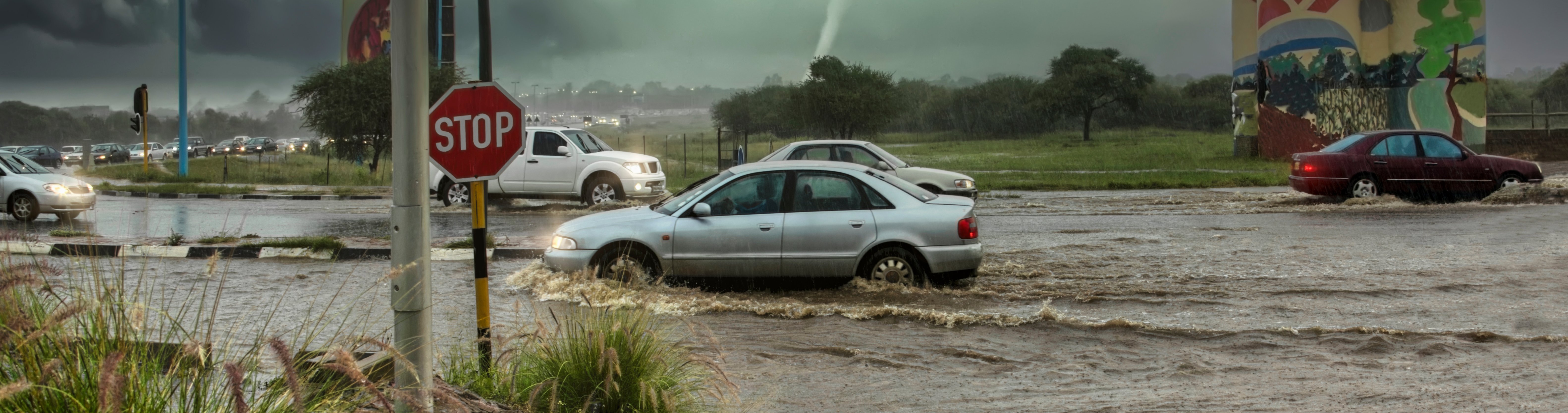
This month’s floods once again confirmed that climate change is now a reality with direct economic impact. For the insurance industry, such events translate into increased claims, immediate operational activation, and the need for rapid and structured response. SIGMA VIG has also faced claims, not only in property insurance but also in motor insurance (CASCO), as a result of flooding and extreme weather conditions. This demonstrates that the impact of natural disasters is becoming increasingly widespread, affecting multiple lines of insurance simultaneously.
In this context, it is important to emphasize that, as a society, we must take responsibility for improving infrastructure and preventive measures. European countries have been investing for years in protective systems, urban planning, and preventive policies precisely to minimize damage in the event of natural disasters. Insurance is a financial protection tool, but it cannot function independently of infrastructure and public policies. At the same time, a national insurance scheme would make it possible for properties currently considered outside standard insurability criteria to be included in coverage through specific sub-limits for both floods and earthquakes.
Have there been cases of entities interested in insurance against natural disasters that you were unable to insure due to high risk? What is the typical profile of such cases?
Yes, such cases do exist. The insurance industry operates based on technical risk assessment, and not every exposure can be covered without additional preventive measures. These cases mainly involve buildings constructed in high flood-risk areas, near riverbeds, or structures that do not comply with technical and urban planning standards. In these situations, the challenge is not a lack of willingness to provide coverage, but the need to balance customer protection with the financial sustainability of the insurance system. What we encourage is cooperation with businesses and individuals to reduce risk at its source, making insurance feasible.
Do you believe there is room for improved management of natural disaster risk by state institutions?
Without a doubt. Managing natural disaster risk requires an integrated and well-structured approach, in which insurance represents a key pillar, but not the only one. In addition to investments in preventive infrastructure, long-term urban planning, risk mapping, and strengthening construction standards, a crucial element is the introduction of mandatory insurance against basic risks such as earthquakes and floods. The role of the state is decisive in creating an institutional framework that reduces exposure to these risks and makes them manageable both for citizens and for the insurance market. Such a scheme would contribute to building a more resilient system capable of withstanding shocks, where the financial burden of natural disasters does not fall disproportionately on the state budget or individuals, but is distributed in a balanced and predictable manner at the national level.
From your perspective, how can the country’s coverage with insurance against natural disasters be improved?
Improving coverage requires a combination of three elements: financial education, more flexible products, and supportive public policies. Citizens and businesses need to view insurance not as a cost, but as an investment in their economic continuity. On our side, insurance companies must continue to innovate in product development, making insurance more accessible and better aligned with real-life conditions. Meanwhile, cooperation with state institutions on national initiatives or joint schemes would represent a strategic step toward significantly increasing the level of protection of the Albanian economy against natural disasters.
Read this interview with Mr. Çitozi also at "Sigurimi nuk mund të funksionojë i shkëputur nga infrastruktura dhe politikat publike" | Revista Monitor online publishing, Monitor Magazine on 24.01.2026